
2016 to 2018
Amazon India
Led the fraud check for the Amazon Pay India launch
Aug 2018Amazon India
4.12 to 4.6
my feedback score out of 5 across the agile software development workshops I ran at Amazon
4.12Nov 1628 people4.47Dec 16314.6Oct 17214.57Jul 18Top trainerScale from 4 to 5
About 90 engineers coached. In July 2018 I was the program's highest-scoring trainer.
- 2 quotes
Jul 2018Amazon India
Caught an auto-approval bug in a fraud rule on Prime Day
“You have shown great example of Deep Dive. Finding out exactly which rule was incorrect and also pointing to exact coding error.”
Engineering manager, Amazon, 2018 - 1 quote
Mar 2018Amazon India
$12,344
a year saved by load-testing two fraud services and right-sizing them for Prime Day
18 hosts removed, nine per service
Mar 2018Amazon India
~60%
less engineer effort
Engineer effort per investigation
BeforeAfter: ~60% lessCut investigation effort about 60% on the Amazon Pay latency project
- 2 quotes
Jan 2018Amazon India
17.7% to 2.4%
of a fraud service's CPU spent on garbage collection, after I changed its heap and collector
Before: ~17.7%After: ~2.4%The service then supported about 20% more transactions a second.
Nov 2017Amazon India
50-60% to 85%
sprint task completion
Before: 50-60%After: 85%Spot Award for a sprint process that raised completion to 85%
The before bar uses the top of the range.
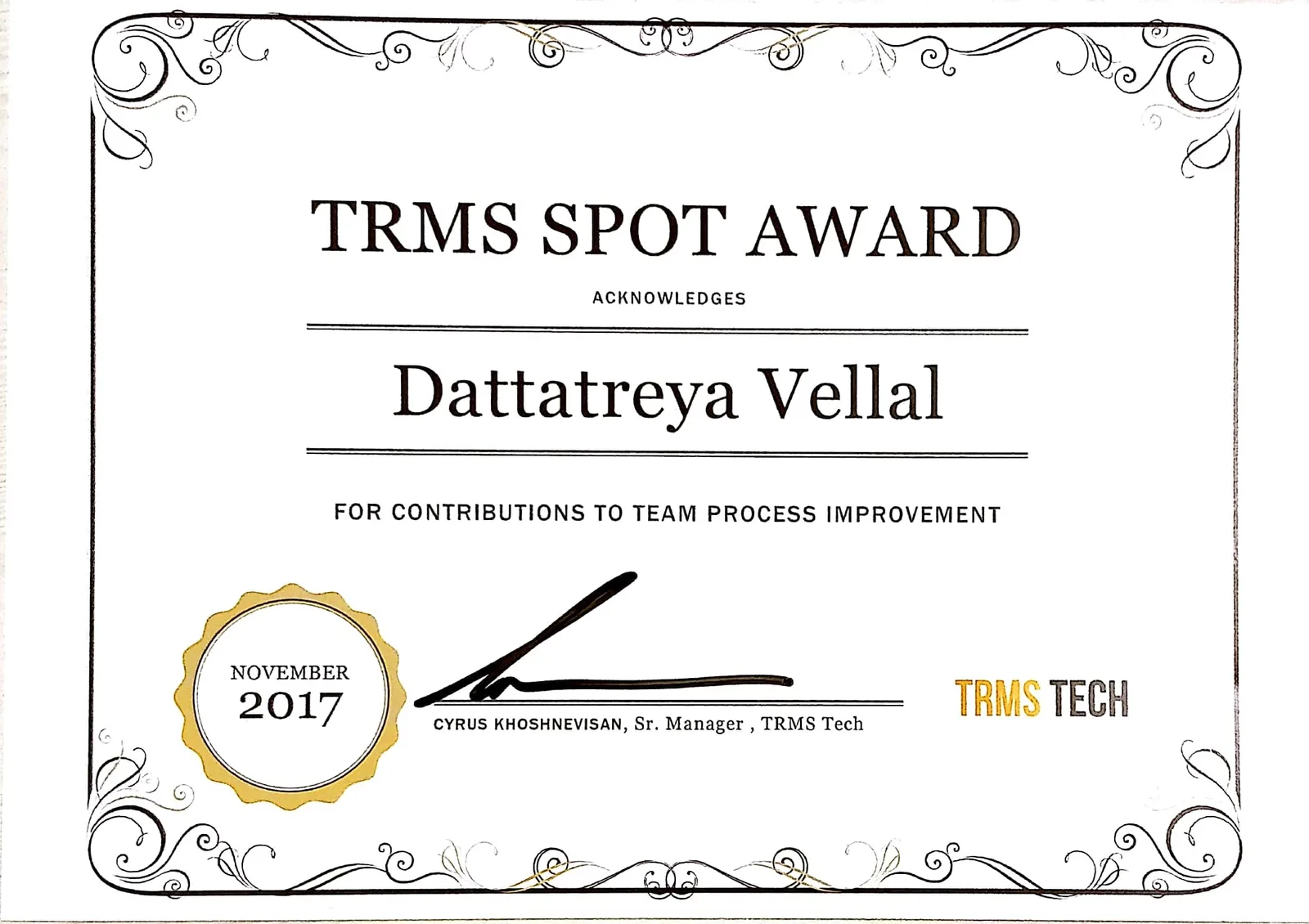
- Certificate
- 1 quote
Oct 2017Amazon India
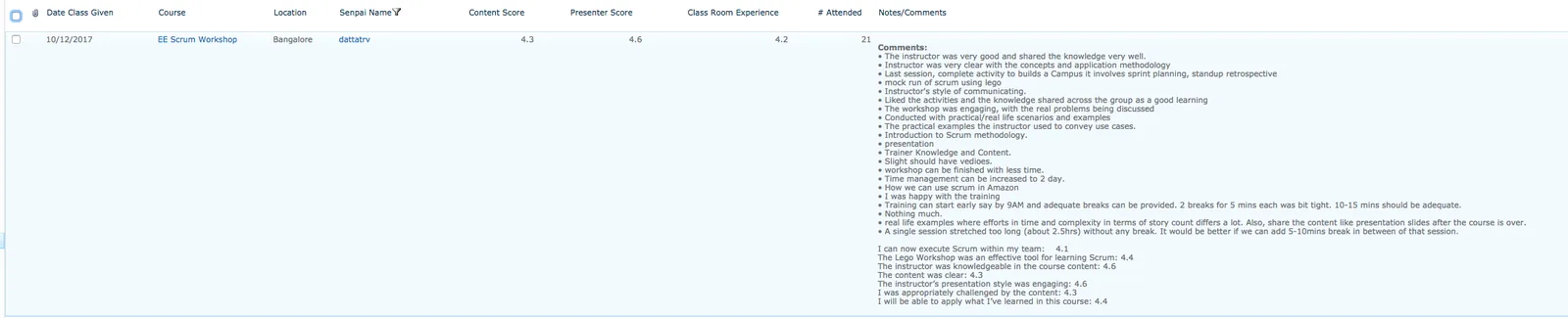
4.6 / 5
my feedback score at an agile software development workshop for 21 engineers, my highest
4.12Nov 1628 people4.47Dec 16314.6Oct 17214.57Jul 18Top trainerScale from 4 to 5
- Document
Oct 2017Amazon India
Zeus Team Award for the risk-evaluation API
- What changed
- The award was signed by the org's tech director, and the first use case routes risky customer contacts automatically.
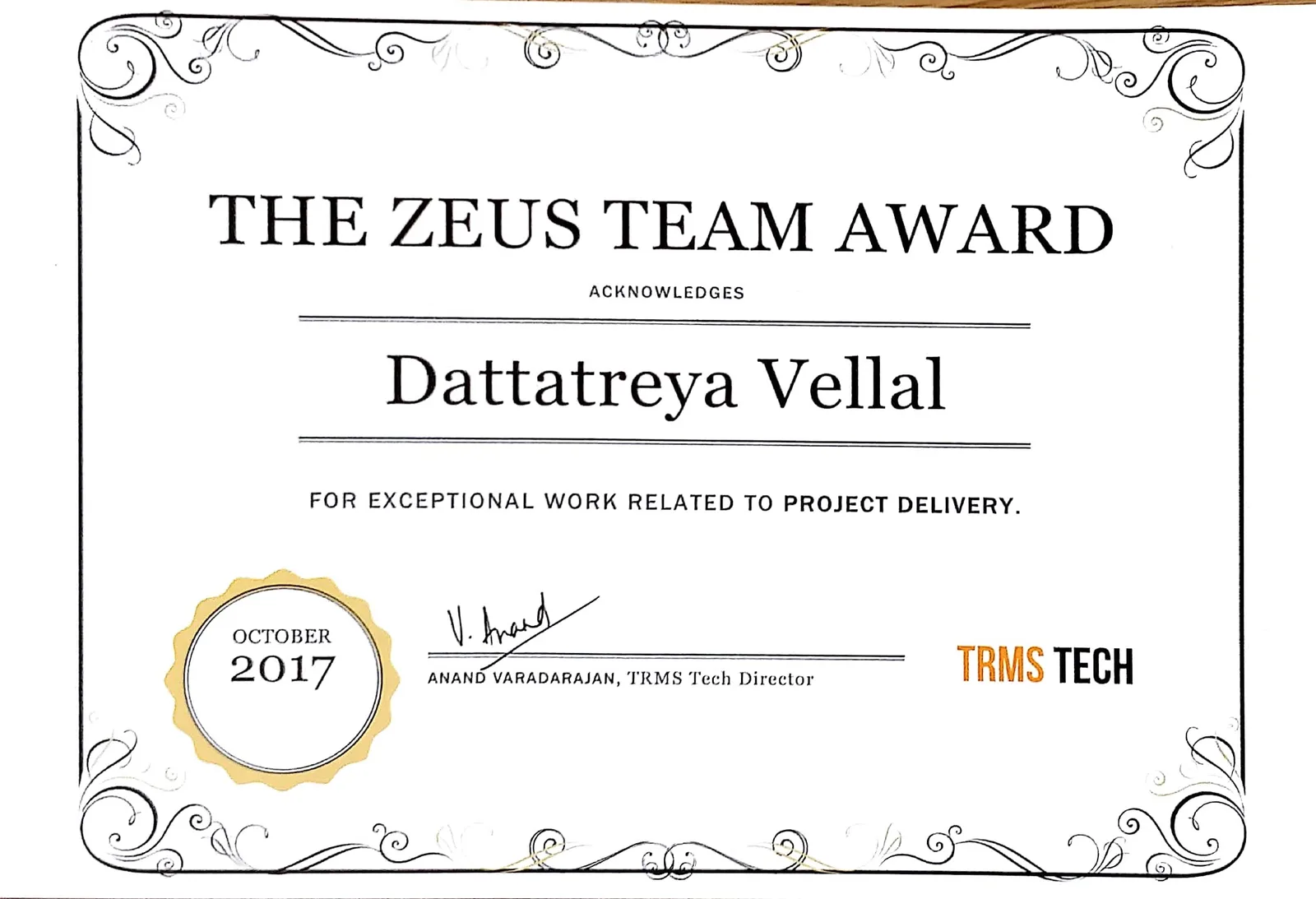
- Certificate
Jul 2017Amazon India
2 days
to root cause and fix
Unblocked the Amazon Pay general availability launch in two days
- 2 quotes
Jul 2017Amazon India
5,293
stalled fraud investigations put back in investigators' hands by a bulk tool I built
89 in every 100 blocked investigations (5,293 of 5,927). The rest were already resolved or invalid.
Apr 2017Amazon India
20 to 1,150
transactions a second: what the fraud check was asked for, and what we built it for
Asked for: 20Built for: 1,150Amazon Pay India launched on 14 April 2017. I led the four-engineer effort from requirements to onboarding.
- 2 quotes
Apr 2017Amazon India
6
client teams
- 0schema changes since launch
Set the risk-evaluation contract that 6 teams adopted unchanged
Feb 2017Amazon India
30+
curated questions
30+ curated questions
14 weekend hiring events
Set up the interview question bank behind 14 hiring events
- 2 quotes
Dec 2016Amazon India
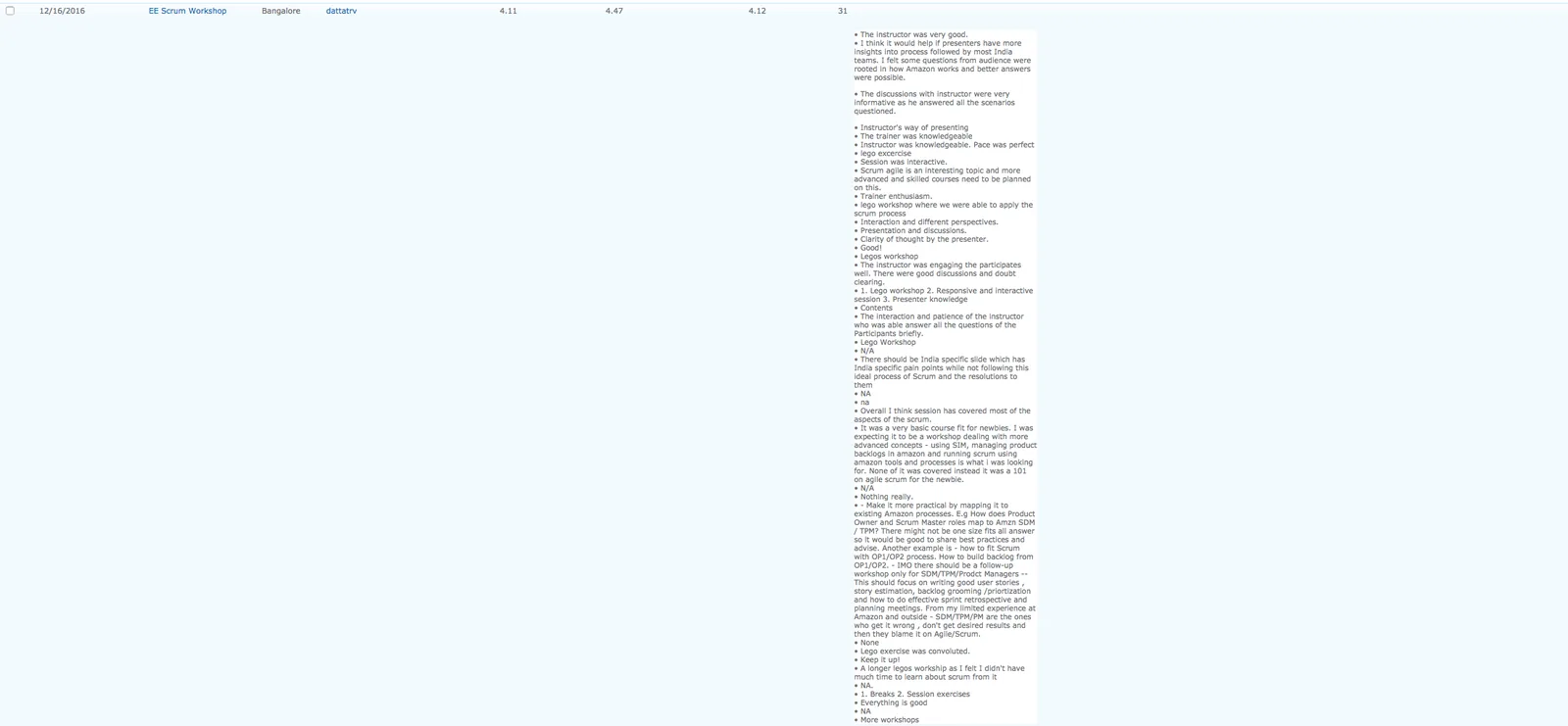
4.12 to 4.47
my feedback score out of 5, three weeks after my first agile software development workshop
4.12Nov 1628 people4.47Dec 16314.6Oct 17214.57Jul 18Top trainerScale from 4 to 5
- Document
- 2 quotes
Aug 2016Amazon India
57
hosts replaced
57 hosts replaced
22 environments
Owned the team's move of 57 hosts to Amazon Linux
- 1 quote
Aug 2016Amazon India
1st of 45
teams at the catalog organization's global hackathon, with three colleagues
45 teams from Seattle, Cupertino, New York, London, Bengaluru and Chennai
Jun 2016Amazon India
~2B
catalog records backfilled
- 12marketplaces
- ~30,000items processed per day
Built the data pipeline behind the catalog value reports, about 2 billion records
May 2016Amazon India
29
feed providers migrated
- ~10%less transformation code
Turned catalog feed migration into a self-service procedure used for 29 providers
- 2 quotes
Also at Amazon India: 19 more entries without a card
2018
- AugLeft Amazon for Philips after about 30 months, 68 interviews and 570 code changes
- Mar2018 annual review: my manager named hiring and developing people, process and documentation as superpowers
- MarCalled in to fix critical incidents, including a sev-2 spike of 6,400 manual investigations in three hours
- FebTaught my first Agile Product Ownership workshop to a full class of 30 and took the pace feedback on board
- JanOwned a hardware clean-up that moved fraud services to new-generation hosts and saved about $23,800 a year
- YearReviewed 3 promotion documents for engineers moving to SDE II and mentored interns and junior engineers
- YearTaught 5 sessions in 2018 to about 230 people across Amazon and Philips
2017
- NovQualified as one of three Agile Product Ownership workshop facilitators in India
- JulShortlisted for Amazon India Tech Conference 2017 with a poster on evaluating fraud and risk
- JunBuilt and kept up the team's troubleshooting and bookmarks wiki, referred to more than 1,000 times
- MayCut new-engineer setup from a week to about two days with a first-week guide a manager shared with new hires
- AprReceived a public LinkedIn recommendation from an Amazon teammate who said he learned a lot from me
- MarFirst Amazon annual review: my manager called process my superpower and had seen no one document better
- MarWrote the design wiki for the Amazon Pay one-account check; a senior manager said it raised the bar
- YearTaught 4 sessions in 2017 to about 221 people: 3 college seminars and 1 agile software development workshop
2016
- NovCoached 28 engineers in agile software development in my first workshop as a volunteer trainer, received feedback score of 4.12/5
- MarMoved a feed-history database to AWS RDS and documented a one-day method a UK colleague asked to reuse
- FebJoined Amazon India as Software Development Engineer II and built the catalog team's onboarding repository
- YearTaught 4 sessions in 2016 to about 219 people: 2 college seminars and 2 agile software development workshops
Role
- Aug 2018Left after about 30 months and 68 interviews for the fraud and risk org to join Philips.
- ~2017Moved to the India payments fraud and risk team (away-team model) and led the one-account-per-customer fraud check for the Amazon Pay launch, from requirements and stakeholder communication through onboarding.
- Feb 2016Joined Amazon Development Center India as Software Development Engineer II, an individual-contributor role on the catalog ingestion and normalization team, and built the onboarding repository the team used for new engineers.
Scope and responsibilities
- Individual-contributor role as Software Development Engineer II, first on catalog ingestion and normalization, then on India payments fraud and risk as part of an away team.
- Owned fraud use cases for the Amazon Pay India launch end to end, from requirements and design through stakeholder communication, code reviews and onboarding.
- Set technical targets past the ask and tracked the results, such as sizing a fraud check for 1,150 TPS against a 20 TPS requirement and raising sprint task completion to 85% with a new process.
- Designed shared contracts and self-service procedures that other teams adopted with little developer help, including a risk contract used by 6 client teams and a feed migration procedure used for 29 providers.
- Took part in hiring for the fraud and risk org with 68 interviews and set up the standard question bank used in 14 weekend hiring events.
- Built capability in others as a volunteer trainer in agile software development and product ownership (about 90 people across 3 agile software development workshops), a mentor to interns and junior engineers, and a reviewer on 3 promotion documents.
- Took on cost and reliability work for fraud services around Prime Day, from JVM tuning and load-tested host sizing to tracing a faulty fraud rule.
Signature work
- 01
Led fraud controls for the Amazon Pay India launch
Led the one-account-per-customer check end to end, built for 1,150 TPS against a 20 TPS requirement; then unblocked general availability and put about 5,300 stalled investigations back with investigators.
- 02
Mechanisms other teams adopted
A generic risk contract that 6 client teams used unchanged, a self-service feed migration used for 29 providers, and an interview question bank used in 14 hiring events.
- 03
Cost and reliability around Prime Day
Garbage-collection CPU from about 17.7% to 2.4%, about $36K a year saved in hosts, and a faulty fraud rule traced and escalated as a sev-2 on Prime Day.
In numbers
- 68interviews
- 14hiring events on my question bank
- 3agile software development workshops (~90 people) plus a product ownership workshop
- 570code changes
- 86tickets
- 1stof 45 teams at a global hackathon
Zeus and Spot awards.
What people said
“This is great work. Thanks team and looking forward to more deliveries for our payments business in India.”
“Great news !!!. Good job Team. Smooth integration is testimony on good design.”
Year by year
- 2018
Took on cost and reliability for the fraud services around Prime Day: cut garbage collection on one service to about 2.4% of CPU, saved about $36K a year in hosts through load tests and a hardware clean-up, and traced a faulty fraud rule on Prime Day and escalated it as a sev-2. Became the trainer program's highest-scoring trainer, then left in August to join Philips.
12 events
- 2017
Moved to payments fraud and risk and led the one-account-per-customer fraud check for the Amazon Pay India launch end to end, then unblocked general availability and got about 5,300 stalled investigations back to investigators. Designed a risk contract that 6 client teams adopted and set up the org's interview question bank. Won the Zeus Team Award for the risk-evaluation API and a Spot Award for a sprint process change.
16 events
- 2016
Joined Amazon in February as an individual contributor on the catalog ingestion team, made feed migration a self-service procedure that 29 providers moved onto without developer help, and owned the team's move of 57 hosts to Amazon Linux. Also backfilled about 2 billion catalog records, won the catalog org's global hackathon and started teaching agile software development to other engineers as a volunteer trainer.
9 events
What I took from it
Amazon taught me to operate at scale. I learned to design for the load you will get, not the load you are asked for, to fix problems at their source, and to write things down so the next engineer does not start from zero. It is also where I started teaching and interviewing seriously: 68 interviews and a question bank used across hiring events showed me that raising the bar is a daily habit, not a policy.